Sedimentary Rock Textur Backgrounds: A Designer's Earthy Toolkit
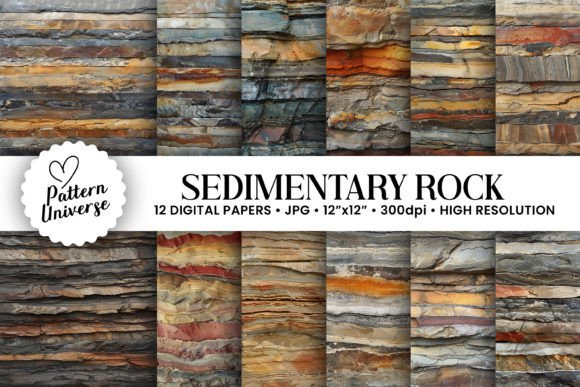
There's a certain quiet power in natural textures. They ground our designs, adding a layer of authenticity and tactile interest that flat colors often can't achieve. Among these, Sedimentary Rock Textur Backgrounds offer a unique blend of ruggedness and subtle sophistication. These patterns capture the layered, compressed history of the earth itself—think of the fine striations in shale, the gritty feel of sandstone, or the fossilized hints in limestone. The visual personality is organic, stable, and timelessly elegant. It's not about shock value; it's about creating a foundation that feels both substantial and nuanced.
This collection of 12 seamless patterns, generated with AI precision, translates that geological beauty into a versatile digital asset. The appeal lies in its duality. On one hand, you have textures that are unmistakably natural and slightly weathered, perfect for projects that want to convey heritage, durability, or a connection to the environment. On the other, the patterns are clean and structured enough to work within modern design frameworks. The color palettes typically range from warm sandy beiges and cool slate grays to deep charcoal tones, offering a neutral yet rich backdrop that won't compete with your primary content but will elevate it.
Where These Textures Find Their Home
The true value of a premium font or texture set is measured by its utility across real projects. These sedimentary backgrounds are remarkably adaptable. For brand identity work, they can form the basis of packaging for artisanal goods, cosmetics, or specialty foods where an earthy, authentic feel is paramount. Imagine a coffee bag or a candle label with a subtle sandstone texture—it immediately communicates quality and a crafted ethos. In editorial design, such as magazine layouts or book covers, these textures can set a sophisticated, literary mood, especially for genres like historical fiction, nature writing, or lifestyle.
For digital creators, the applications are equally broad. They serve as excellent backgrounds for social media graphics, providing depth without distraction. A web design element like a hero section or a sidebar can gain immense character from a layered rock texture. Entrepreneurs and small business owners will find them perfect for gift wrapping designs, greeting cards, invitations, and tumbler wraps. The seamless nature means they can be scaled and repeated for any project size, from a small sticker to a large-format print.
Integrating Texture into Your Design Workflow
Working with textures like these is less about following rigid rules and more about developing an intuitive feel for balance. The key is to treat the texture as a supporting actor, not the star. Its role is to enhance readability and visual hierarchy, not hinder it. When pairing these backgrounds with typography, contrast is your best friend. A bold, clean sans serif font often stands out beautifully against a detailed, grainy texture. Alternatively, an elegant serif font can create a harmonious, classic look when the texture is applied subtly as an overlay.
Here’s a practical approach to evaluating fit: Start by considering your project's core message. Does "natural," "timeless," or "authentic" align with your goals? If yes, test the texture at a very low opacity behind your main text or graphic elements. Observe how it affects the readability of your body copy. The goal is to add warmth and interest, not to force your audience to squint. For logo design, use the texture sparingly—perhaps within a letterform or as a background shape—to add a unique, memorable detail without compromising clarity at small sizes.
Finally, always review the technical specifications. This collection provides high-resolution 300dpi files at 3600x3600 pixels, which is ideal for both print and digital projects. This ensures your design assets remain crisp and professional, whether you're printing a high-quality brochure or displaying graphics on a retina screen. The commercial license typically included with such sets allows for broad use, but it's always wise to double-check the terms for your specific application, especially for large-scale commercial products. By thoughtfully integrating these Sedimentary Rock Textur Backgrounds, you can add a layer of depth and narrative to your work that resonates on a subconscious level, making your designs not just seen, but felt.