Marble Texture Backgrounds: The Ultimate Design Asset
In the world of digital design, finding assets that are both versatile and visually striking is a constant pursuit. We often look for the perfect typeface or the ideal icon set, but sometimes, the most impactful element is the foundation itself: the background. Enter the marble texture background, a design asset that has moved beyond fleeting trends to become a timeless staple for creatives, entrepreneurs, and brands. Its inherent elegance, organic patterns, and sophisticated feel can elevate a project from simple to stunning with minimal effort. This isn't just about a pretty picture; it's about leveraging a powerful visual tool to communicate quality, luxury, and professionalism.
Understanding the Appeal: More Than Just a Pretty Pattern
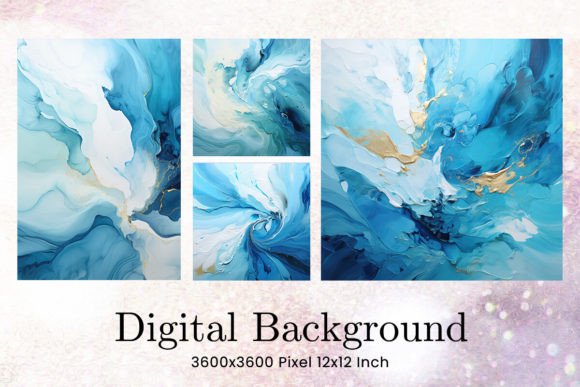
What is it about marble that captures our attention? At its core, a marble texture is an exploration of natural artistry. Each swirl, vein, and subtle color gradation is unique, a product of geological time and pressure. This visual complexity provides a rich, non-repeating background that avoids the sterile feel of solid colors or the distracting nature of busy patterns. It possesses a unique personality—it can be bold and dramatic with deep, contrasting veining, or it can be soft and subtle with gentle, pastel hues. This duality makes it a supremely adaptable design asset.
The style of a marble texture communicates a specific message. It whispers of luxury, quality, and timelessness. Think of high-end hotel lobbies, classic sculpture, and premium packaging. By incorporating a Marble Texture Backgrounds Wallpaper into your work, you are tapping into that same visual language. It’s a shortcut to establishing a sense of elegance and permanence in your brand identity, whether you're a small business owner creating product mockups or a graphic designer crafting a sophisticated logo design.
Practical Applications: Where Marble Truly Shines
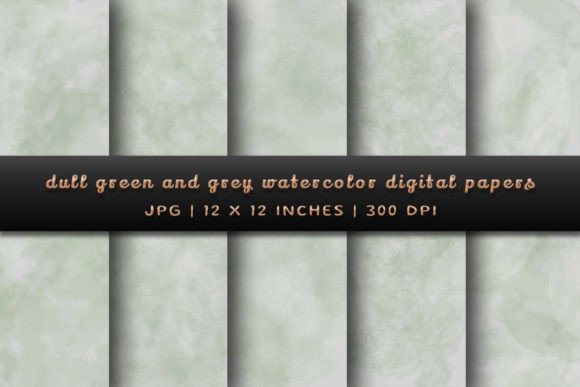
The true strength of a high-quality digital paper collection lies in its versatility. The included 12"x12" 300 DPI JPG files are not just for one type of project; they are a multi-tool for the modern creator. Because this is a digital file, the possibilities are virtually endless. You can scale, crop, and manipulate the texture to fit any need without losing quality, making it an invaluable part of your design assets library.
- Branding and Marketing: Use the marble texture as a background for your social media graphics to create a consistent and professional feed. It’s perfect for quote cards, promotional announcements, and story backgrounds. For entrepreneurs, it can form the basis of a premium brand identity, setting a tone of quality for your website, business cards, and email headers.
- Publishing and Editorial Design: In editorial design, a subtle marble texture can serve as a beautiful, non-distracting background for text-heavy layouts. Imagine a magazine cover, a book chapter opener, or a blog post header that uses a soft marble pattern to add depth and sophistication without compromising readability. It works exceptionally well with clean sans serif font pairings for a modern look or a classic serif font for a more traditional feel.
- Digital and Web Design: Beyond social media, these textures are ideal for website backgrounds, landing page hero sections, and digital product mockups. A well-chosen marble texture can make an e-commerce site for handmade jewelry or high-end cosmetics feel instantly more luxurious. It provides a clean, elegant stage for your products to shine.
- Crafting and Print Projects: For hobbyists and crafters, these printable PNGs are a dream. Print them out for custom scrapbooking paper, unique greeting cards, or even DIY gift wrap. The high resolution ensures a crisp, professional print every time. This is where the physical and digital worlds merge, allowing you to bring a touch of digital elegance into tangible creations.
Choosing and Using Your Marble Textures Effectively
Not all marble textures are created equal, and choosing the right one requires a discerning eye. When you're evaluating a collection, look beyond the initial impression. Consider the visual hierarchy you want to create. A texture with bold, dark veins will demand more attention and is best used as a dramatic accent, perhaps behind a logo or a short, impactful headline. Conversely, a texture with a softer, more uniform pattern is better suited for larger areas where it needs to support, not compete with, your primary content.
A crucial aspect of working with any background is ensuring readability. The goal of a background is to enhance the content, not obscure it. Always test your text and graphic elements against the texture. You may need to add a semi-transparent overlay (a white, black, or brand-colored shape with reduced opacity) to create a clear reading area. This is a simple technique that professional designers use to maintain clarity while still enjoying the aesthetic benefits of a textured background.
Furthermore, think about font pairing. A luxurious marble texture pairs beautifully with a wide range of typefaces. For a modern, high-fashion feel, try combining it with a clean, geometric sans serif font. For a more classic, editorial look, a refined serif font works wonders. You can even pair it with an elegant script font for special occasions like wedding invitations or boutique branding, but use such creative fonts sparingly to avoid a cluttered look. The key is to create a harmonious balance between the organic complexity of the marble and the structured clarity of your typography.
Finally, remember the practical note that colors can vary from screen to screen and printer to printer. Before committing to a large print run, always do a test print on your intended paper or substrate. This ensures the final product matches your digital vision. By thoughtfully selecting and applying your Marble Texture Backgrounds Wallpaper